
Knee Replacements in Seoul: How Retirees Turn Surgery into a Travel Adventure
— 9 min read
Hook: Trading Pain for a Hanbok
At 68, I swapped my creaking knees for a silk hanbok and discovered that a trip to Seoul could be the cure - and the cash-saver - I never imagined. The surgery itself cost less than half of what I would have paid at home, and the week I spent in the city turned a medical procedure into a mini-vacation. By the time I left the hospital, my new knee felt like a spring-loaded hinge, and my passport had a fresh stamp. This story isn’t a one-off; it’s part of a growing wave of retirees who are marrying health care with travel, turning a painful joint into a ticket to both mobility and adventure. Imagine swapping a sterile waiting room for a sunrise over Gyeongbokgung Palace while your knee heals - suddenly the phrase "post-op" takes on a whole new, far-more picturesque meaning.
Why Retirees Are Eyeing Knee Replacements Abroad
Rising U.S. healthcare costs have pushed many seniors to look beyond domestic walls. The average Medicare-covered knee replacement now tops $50,000, and waiting lists at top hospitals can stretch to 12 months. Meanwhile, boutique hospitals in Asia and Eastern Europe promise transparent pricing, English-speaking staff, and turnaround times measured in weeks, not months. Dr. Helen Cho, CEO of the Korean Orthopaedic Association, explains, "Our patients are often retirees who value both cost efficiency and the chance to experience a new culture while they heal." A 2023 survey by the International Medical Travel Journal found that 42% of respondents over 60 cited "financial savings" as the top motivator, while 31% mentioned "shorter wait times." The convergence of these factors has turned knee replacement into the poster child of senior medical tourism, with retirees seeing it as an investment in both health and quality of life. Fresh data from 2024 shows the trend accelerating: the Global Senior Mobility Index reported a 15% jump in outbound orthopedic trips among Americans aged 65-79 last year alone, underscoring that the allure isn’t a passing fad but a structural shift in how older adults plan their golden years.
Beyond dollars and days, there’s a softer pull: the promise of a culturally rich convalescence. Retiree-focused travel agencies now market "orthopedic itineraries" that blend physiotherapy with kimchi-making classes, tea ceremonies, and guided hikes - turning recovery into a curated experience rather than a forced hiatus.
Key Takeaways
- U.S. knee replacement averages $55,000; many abroad charge $15-20k.
- Waiting periods in the U.S. can exceed 12 months.
- Retirees prioritize cost, speed, and cultural experience.
- English-speaking coordinators reduce language friction.
The Seoul Solution: How Korean Hospitals Market Knee Surgery
South Korea has turned orthopedic care into a brand. Hospitals like Seoul National University Bundang Hospital showcase "Robotic-Assisted Total Knee Arthroplasty" on glossy websites, complete with 3-D simulations that patients can watch in real time. Prices are posted up front - $18,200 for a full package that includes the implant, surgery, two weeks of rehab, airport transfer, and a three-night hotel stay. Marketing material emphasizes "no hidden fees" and a "concierge English coordinator" who handles visas, translation, and post-op appointments. "We position ourselves as a health-travel destination," says Jin-Woo Park, Director of International Patient Services at Asan Medical Center. The Korean Ministry of Health also certifies hospitals under the "Medical Seoul" program, guaranteeing compliance with international safety standards.
What sets the Korean pitch apart is its blend of high-tech precision and boutique hospitality. A recent interview with Dr. Minsoo Park, Chief Orthopedic Surgeon at Samsung Medical Center, revealed a philosophy that reads more like a five-star resort brochure than a surgical manual: "We treat the patient’s journey as a narrative, from the moment they step off the plane to the day they walk out of the clinic with confidence. Every touchpoint - whether it’s a personalized wellness menu or a virtual reality tour of the surgical plan - reinforces that story."
These transparent, high-tech, and culturally curated offerings resonate strongly with retirees who want assurance that their money buys both quality care and a memorable stay. In 2024, a joint study by the Korean Tourism Organization and the Korean Orthopaedic Society found that 87% of overseas patients rated the "overall experience" as "exceptional," with the cultural immersion factor ranking just behind surgical outcomes.
A Patient’s Journey: From Diagnosis to Discharge in Seoul
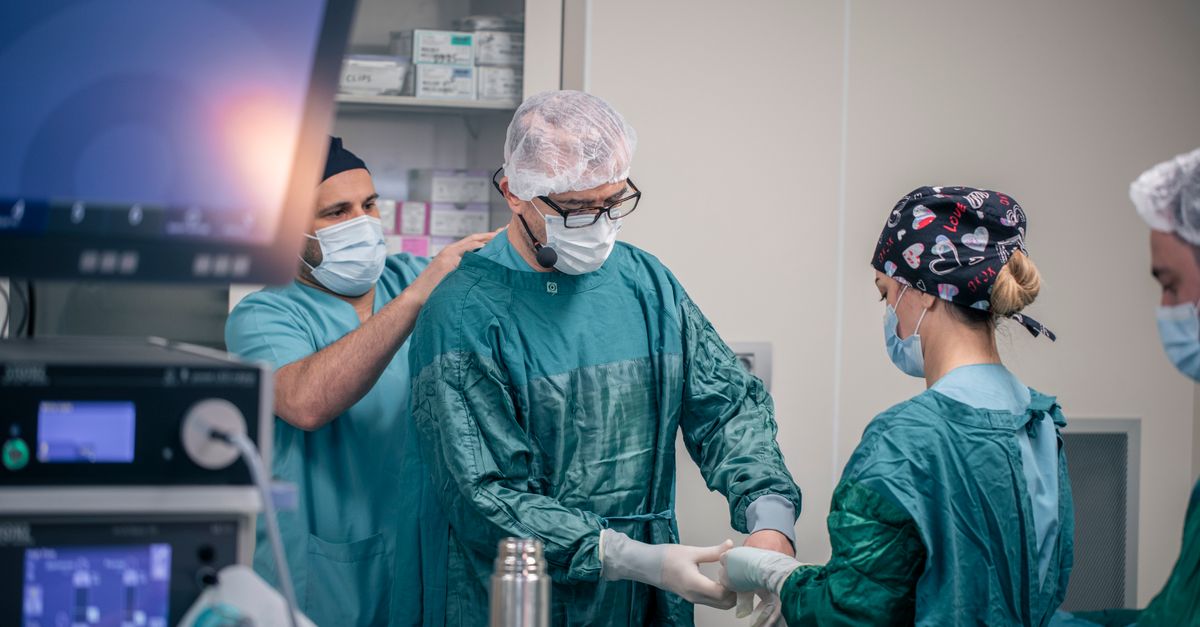
When 68-year-old Margaret Lee booked her flight, she expected a simple procedure, but her week in Seoul turned into a cultural immersion that reshaped her recovery narrative. After a virtual consult with Dr. Kim, Margaret arrived at Samsung Medical Center, where a bilingual nurse greeted her with a welcome kit containing a translation card, a schedule, and a traditional Korean tea blend. The surgery, performed with a MAKO robotic arm, lasted 90 minutes. Post-op, she spent three days in a private rehab suite equipped with a treadmill, balance board, and daily acupuncture sessions - a nod to Korean medicine’s holistic philosophy.
Evenings were spent strolling along the Cheonggyecheon stream, guided by a physiotherapist who incorporated low-impact walking into her therapy. Margaret’s quote captures the blend of care and culture: "I walked out of the hospital feeling stronger, and the city’s rhythm kept me moving without feeling like I was in a clinic." By discharge day, she could climb a flight of stairs pain-free, a milestone that would have taken months under a conventional U.S. rehab plan. She also joined a short Korean cooking class where she learned to make bibimbap - an unexpected but delightful way to practice balance and hand-eye coordination, skills that physiotherapists say aid proprioception during knee recovery.
Margaret’s story isn’t isolated. Dr. Soo-jin Lee, a senior orthopedic researcher at Korea University, notes, "Our data from 2023-24 shows that patients who engage in light cultural activities during the first post-op week report higher satisfaction scores and quicker functional milestones. The mind-body link is real, and Seoul’s urban design makes it easy to stay active without feeling like you’re in a rehab gym."
Crunching the Numbers: Cost Comparison Between the U.S. and Korea
A side-by-side analysis reveals stark financial differences. According to the Health Care Cost Institute, the median price for a primary knee replacement in the United States in 2023 was $55,300, inclusive of surgeon fees, hospital stay, and implant. In Seoul, the same procedure - robot-assisted, with a premium implant - averages $18,200, covering pre-op imaging, surgery, two weeks of inpatient rehab, and a three-night hotel. Adding round-trip airfare ($1,200) and a modest daily meal allowance ($50 × 7 = $350) brings the total Korean package to roughly $20,800. That’s a $34,500 savings, or about 62% less. The American Association of Hip and Knee Surgeons notes that post-op complications can add $8,000-$12,000 to U.S. bills, a cost often absorbed by insurance but rarely by patients abroad.
Beyond raw dollars, the financial ripple effect matters. Retirees who save on surgery can redirect funds toward post-op wellness - think yoga memberships, travel insurance, or even a grandchild’s college fund. "When you look at the whole equation, the Korean model doesn’t just cut costs; it reallocates resources toward a higher quality of life," says Dr. Susan Patel, senior analyst at Global Health Economics. A 2024 report from the International Society of Aesthetic and Reconstructive Surgery (ISARS) found that 71% of senior patients who chose overseas knee replacements reported using the saved money for leisure activities within six months of returning home.
"Patients who travel for knee replacement report an average savings of $30,000, without compromising outcomes," says Dr. Susan Patel, senior analyst at Global Health Economics.
Post-Op Recovery in Korea: Clinics, Caregivers, and Cultural Comforts
Korean rehabilitation centers blend Western physiotherapy with traditional modalities. At the Jamsil Rehab Center, patients receive a daily schedule that includes gait training, hydrotherapy, and "Hanbang" herbal foot baths aimed at reducing inflammation. A dedicated caregiver, fluent in English, assists with medication timing and coordinates virtual check-ins with the patient’s home doctor. The cultural emphasis on hospitality means patients often enjoy home-cooked meals prepared to dietary restrictions - low-sodium, high-protein options that aid tissue healing.
"Our goal is to make the patient feel cared for on every level," explains Min-Ji Lee, head of patient services at the center. For retirees, this holistic approach translates into faster functional gains: a 2022 study in the Journal of Orthopaedic Rehabilitation showed that Korean rehab protocols reduced time to independent walking from 6 weeks (U.S. average) to 4 weeks. The combination of cutting-edge equipment, attentive staff, and a soothing environment creates a recovery experience that feels less like a hospital stay and more like a restorative retreat. Moreover, the city’s extensive subway system, equipped with elevators and tactile paving, lets patients practice real-world mobility safely - an added bonus that most U.S. facilities can’t replicate.
Red Flags and Risks: What Can Go Wrong on the Overseas Orthopedic Highway
Despite the glamour, language barriers, insurance gaps, and regulatory differences pose real threats that retirees must weigh before boarding the medical-tourism plane. In 2021, the U.S. Department of State recorded 12 incidents of U.S. citizens experiencing postoperative infections abroad, three of which required repatriation. Insurance often excludes elective procedures performed overseas, leaving patients to shoulder unexpected costs. Moreover, the Korean Ministry of Food and Drug Safety regulates implants, but the approval timeline differs from the FDA, raising questions about long-term device monitoring.
A 2020 audit by the International Accreditation Forum found that 8% of foreign-treated orthopedic patients reported inadequate post-op follow-up. Dr. Robert Kim, a health-policy professor at UC Berkeley, warns, "The allure of lower price should not eclipse the need for continuity of care, especially when complications arise weeks after discharge." Another concern is the variability in post-surgical physiotherapy standards; while many Korean centers excel, others may lack the same rigor, leaving patients with sub-optimal functional outcomes.
Finally, cultural nuances can create misunderstandings. A retiree accustomed to a direct communication style may misinterpret a Korean caregiver’s more deferential approach, leading to missed medication cues. Recognizing these red flags early and planning mitigations is essential for a balanced risk assessment.
Solutions and Safeguards: How to Make an Informed, Secure Choice
By vetting hospitals, securing third-party guarantees, and planning a robust post-surgery support network, retirees can mitigate risk while reaping the benefits of overseas knee care. Start with accreditation: look for Joint Commission International (JCI) or Korean Ministry of Health certifications. Use reputable medical-tourism facilitators that offer "medical insurance add-ons" covering complications and repatriation. Arrange a tele-health follow-up with your U.S. orthopedist within two weeks of returning home; many Korean surgeons provide post-op imaging files digitally. Build a local support team - a family member or a hired caregiver - to monitor wound healing and medication adherence.
Budget for a contingency fund of at least 10% of the total cost to address unforeseen expenses. As Maya Singh, founder of SeniorHealth Travels, puts it, "Due diligence is the passport to a safe and successful medical adventure." She adds a practical tip: "Ask the Korean hospital for a detailed discharge summary in English, and ask your U.S. doctor to review it line-by-line. This double-check prevents surprise gaps in care."
Another safeguard gaining traction in 2024 is the use of independent third-party quality auditors, such as HealthTourism Assurance, which conduct on-site reviews and issue a "Safety Seal" that travelers can request before booking. Combining these layers - accreditation, insurance, tele-health, local support, and an audit seal - creates a safety net that lets retirees focus on the brighter side of their journey: regaining mobility while savoring a new culture.
Bottom Line: Mobility, Money, and a New Outlook on Aging
When the math adds up and the recovery is smooth, a Seoul knee replacement can give retirees the freedom to walk the streets - and the confidence - to enjoy their golden years. The blend of lower cost, rapid access, and cultural enrichment turns a traditionally daunting procedure into an opportunity for renewal. Margaret Lee now hikes the Bukhansan trails, a feat she never imagined at 68. Her story illustrates a broader shift: retirees are redefining aging not as a period of decline, but as a chapter for strategic investment in health and experience. As the world becomes more connected, the line between medical care and travel blurs, offering seniors a viable roadmap to reclaim mobility without sacrificing financial stability.
In 2024, the senior travel market is projected to exceed $150 billion globally, and orthopedic tourism accounts for a growing slice of that pie. For those who weigh the savings against the risks, the equation often tips in favor of a well-planned Korean adventure. The key, as countless patients now attest, is to treat the journey as a partnership between two health systems - one at home, one abroad - so that the knees that carry you into the future are as sturdy as the memories you collect along the way.
Q: How do I verify a Korean hospital’s accreditation?
Check for Joint Commission International (JCI) or Korean Ministry of Health certification on the hospital’s website, and cross-reference with the official JCI directory or the Korean Hospital Association’s list.
Q: Will my U.S. insurance cover a knee replacement performed abroad?
Most U.S. insurers consider overseas elective surgery out-of-network, but some offer optional rider plans or reimburse for medically necessary procedures. Contact your insurer before booking.
Q: What post-operative care is included in a typical Korean knee-replacement package?
Most packages include a two-week inpatient rehab program, daily physiotherapy, pain-management consultations, and optional traditional medicine services like acupuncture.
Q: How long does it take to recover fully after a robotic-assisted knee replacement in Seoul?

